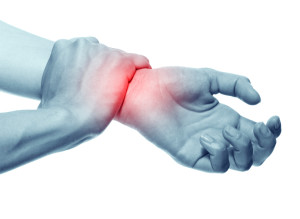
Persistent or unexplained wrist pain warrants careful evaluation. Many causes are missed on standard imaging — wrist arthroscopy provides definitive answers.
What is Wrist Pain?
Wrist pain is a common presentation with many possible causes. A systematic clinical examination, combined with appropriate imaging and sometimes diagnostic wrist arthroscopy, is required to reach a definitive diagnosis. Common causes include TFCC tears, ligament injuries, ganglion cysts, carpal instability, arthritis, De Quervain's tenosynovitis, and nerve compression.
Persistent wrist pain that has not been fully explained after standard GP assessment or initial imaging warrants specialist review. Wrist arthroscopy, performed by a specialist with advanced training, can identify intra-articular pathology not visible on MRI and treat it in the same procedure.
Symptoms
Symptoms
Pain localised to a specific aspect of the wrist (dorsal, volar, radial, or ulnar)
Wrist stiffness or reduced range of motion
Clicking, clunking, or popping with wrist movement
Giving way or instability
Weakness of grip or pinch
Pain worsened by specific activities or positions
How it is diagnosed
Detailed history and clinical examination with wrist provocative tests
X-ray to exclude fracture, arthritis, or calcification
MRI or CT arthrogram for soft tissue evaluation
Wrist arthroscopy — gold standard for intra-articular assessment and treatment
Non-surgical Treatment
Non-surgical options
Rest and activity modification during the diagnostic phase
Wrist splinting to identify whether movement is the pain source
Trial of anti-inflammatory medication
Targeted corticosteroid injection (diagnostic and therapeutic)
When to consider surgery
Diagnostic wrist arthroscopy allows direct visualisation of all intra-articular structures including the TFCC, carpal ligaments, cartilage, and synovium. In many cases, arthroscopic treatment (TFCC repair, synovectomy, ligament debridement) can be performed at the same time. This avoids the need for a second procedure.
Diagnostic arthroscopyTreatment in same procedureDay surgeryMinimally invasive
Recovery Expectations
Typical recoveryDiagnostic arthroscopy with minor debridement: return to light activities 1–2 weeks. Arthroscopic repair procedures: recovery 4–12 weeks depending on the pathology treated. Dr Ma tailors the recovery plan to the specific findings.
When to see a Hand Surgeon
Seek specialist assessment if:Wrist pain persisting more than 6–8 weeks without a clear diagnosis. Negative or inconclusive MRI despite ongoing symptoms. Clicking, instability, or giving way of the wrist. Wrist pain affecting work, sport, or daily activities.
Frequently asked questions
Common questions about wrist pain, answered by Dr David Ma.
A normal MRI does not exclude significant intra-articular pathology. TFCC tears, partial ligament injuries, cartilage lesions, and chondral defects can be missed on standard MRI. Diagnostic wrist arthroscopy is the most accurate way to evaluate the wrist.
Wrist arthroscopy is a well-established minimally invasive technique performed through 2–3mm portals. Complications are uncommon. The procedure is performed under general or regional anaesthesia as day surgery.
Dr Ma takes a detailed history, performs a focused clinical examination using standard wrist tests, and reviews all available imaging. A targeted injection may be used to confirm the source of pain. If the diagnosis remains unclear, diagnostic wrist arthroscopy is recommended.
In most cases, yes. TFCC debridement or repair, synovectomy, ganglion excision, ligament debridement, and loose body removal can all be performed arthroscopically in the same procedure as the diagnostic assessment.
A GP referral is recommended for Medicare rebates but not required to book.
Dr David Ma evaluates and treats wrist pain at accredited Sydney facilities.
Consultations at Chatswood (North Shore — Lane Cove, Willoughby, Artarmon, St Leonards, Gordon)
and Strathfield (Inner West — Burwood, Homebush, Rhodes, Concord, Auburn, Newington).
Call (02) 8112 8569 or email admin@drdavidma.com.