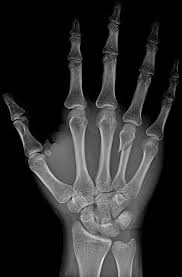
Metacarpal and finger fractures — including boxer's fractures. Stable fractures managed with splinting; displaced or unstable fractures may need fixation.
What is Hand Fractures?
Hand fractures involve the metacarpal bones (the palm) or the phalanges (the finger bones). They are among the most common fractures in adults, typically from a direct blow, fall, or crush injury. The boxer's fracture — fracture of the fifth metacarpal neck from punching — is the single most common pattern.
While many hand fractures can be managed with splinting and buddy taping, displaced, unstable, intra-articular, or rotationally deformed fractures require surgical fixation. Malunion — healing in a bad position — causes permanent stiffness, weakness, and deformity that is difficult to correct later.
Symptoms
Symptoms
Pain, swelling, and bruising after direct injury
Visible deformity or shortening of a finger
Rotational deformity — finger crossing another when the fist is made
Inability to make a full fist
Tenderness over a metacarpal or phalangeal bone
How it is diagnosed
X-ray of the hand (PA, lateral, oblique views)
CT scan for complex intra-articular fractures
Assessment for rotational deformity by comparing finger cascade
Non-surgical Treatment
Non-surgical options
Buddy taping and neighbour splinting for stable undisplaced fractures
Metacarpal brace or volar slab for metacarpal shaft fractures
Neighbour strapping and protected mobilisation
Serial X-rays to confirm maintained position during healing
When to consider surgery
Surgical fixation is indicated for displaced, unstable, intra-articular, or rotationally deformed fractures. Options include percutaneous K-wire fixation (minimally invasive, wires removed at 4–6 weeks) and open plate or screw fixation for complex patterns.
K-wire fixationPlate/screw fixationDay surgeryLocal or regional anaesthetic
Recovery Expectations
Typical recoveryStable fractures with buddy taping: 3–4 weeks, then mobilisation. K-wire fixation: wires out at 4–6 weeks, full recovery 8–12 weeks. Open fixation with plate: early movement protocol, return to manual work 8–12 weeks.
When to see a Hand Surgeon
Seek specialist assessment if:Any hand fracture with deformity, rotational malignment, or inability to fully close the fist. Fracture position lost on follow-up X-ray. Any intra-articular fracture of a finger joint.
Frequently asked questions
Common questions about hand fractures, answered by Dr David Ma.
No. Many metacarpal and finger fractures are stable and heal well with splinting and buddy taping. Surgery is indicated for displaced, unstable, rotational, or intra-articular fractures where malunion would compromise function.
A boxer's fracture is a break at the neck of the fifth (little finger) metacarpal, typically from punching. Many heal with splinting in an acceptable position. Those with significant angulation, rotational deformity, or involving the ring metacarpal may benefit from fixation.
Light activities typically resume within 2–6 weeks depending on the fracture and treatment. Heavy manual work or contact sport usually requires 8–12 weeks. Hand therapy is often needed to restore full movement and strength.
A GP referral is recommended for Medicare rebates but not required to book.
Dr David Ma treats hand fractures at accredited Sydney facilities.
Consultations at Chatswood (North Shore — Lane Cove, Willoughby, Artarmon, St Leonards, Gordon)
and Strathfield (Inner West — Burwood, Homebush, Rhodes, Concord, Auburn, Newington).
Call (02) 8112 8569 or email admin@drdavidma.com.