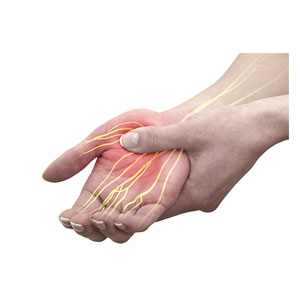
Digital and peripheral nerve injuries requiring microsurgical repair — restoring sensation and hand function. Fellowship-trained in nerve repair and grafting.
What is Nerve Injuries?
Peripheral nerve injuries of the hand and wrist range from simple digital nerve cuts to complete division of the median, ulnar, or radial nerves. Nerves regenerate slowly — approximately 1mm per day — so accurate diagnosis, early repair, and appropriate rehabilitation are essential.
Dr Ma holds a Certificate in Microsurgery from the National University Hospital Singapore and has performed nerve repair and grafting as part of advanced hand and microsurgery training. Microsurgical repair uses an operating microscope and ultra-fine sutures to align nerve ends precisely, maximising the chance of functional recovery.
Symptoms
Symptoms
Numbness or absent sensation in a specific finger or hand region
Tingling or abnormal sensation (dysaesthesia or hyperaesthesia)
Weakness of specific hand muscles in motor nerve injuries
Visible wound over a nerve territory
Cold intolerance in the affected area
Chronic pain or hypersensitivity after nerve injury
How it is diagnosed
Detailed sensory mapping — two-point discrimination and monofilament testing
Motor assessment for proximal nerve injuries
Nerve conduction studies and EMG for motor nerve injuries
MRI neurography for brachial plexus and major nerve injuries
Non-surgical Treatment
Non-surgical options
Protective splinting while awaiting repair
Scar desensitisation and sensory re-education programme
Pain management for neuropathic pain after injury
Occupational therapy for adaptive strategies during recovery
When to consider surgery
Primary nerve repair under magnification within days to weeks of injury gives the best outcomes. For injuries with tissue loss or delayed presentations, nerve grafting using a donor sensory nerve (sural or antebrachial cutaneous) bridges the gap. All digital and major peripheral nerve repairs are performed using microsurgical technique.
Typical recoveryDigital nerve repair: protective sensation by 3–6 months, full recovery 6–12 months. Major nerve repairs: 1–2 years depending on level and nerve involved. Younger patients recover better and faster. Sensory symptoms improve before motor function.
When to see a Hand Surgeon
Seek specialist assessment if:Numbness or absent sensation in a finger or hand region after injury. Any wound that may involve a nerve. Loss of strength in specific hand or finger movements. Chronic pain or hypersensitivity that has not improved after 3–6 months.
Frequently asked questions
Common questions about nerve injuries, answered by Dr David Ma.
Recovery depends on the nerve, level of injury, age, and time to repair. Digital nerve repairs in young patients have excellent outcomes — most recover useful protective sensation within 6–12 months. Fine discriminative touch may not fully recover.
Primary repair is best within 1–3 weeks. Delayed repair and nerve grafting can be performed months later, but recovery becomes less predictable with delay. Early specialist assessment is always recommended after a nerve injury.
When there is a gap between nerve ends that cannot be bridged by bringing them together, a short segment of a donor sensory nerve is used to bridge the defect. The sural nerve at the ankle is the most commonly used donor — sensation recovers to near normal at the donor site.
In severe, longstanding, or high-level nerve injuries, some permanent sensory deficit is possible. However, most digital nerve injuries — when repaired promptly — achieve functional recovery. Dr Ma discusses realistic expectations based on your specific injury.
A GP referral is recommended for Medicare rebates but not required to book.
Dr David Ma performs microsurgical nerve repair and reconstruction at accredited Sydney facilities.
Consultations at Chatswood (North Shore — Lane Cove, Willoughby, Artarmon, St Leonards, Gordon)
and Strathfield (Inner West — Burwood, Homebush, Rhodes, Concord, Auburn, Newington).
Call (02) 8112 8569 or email admin@drdavidma.com.